
This guide explains the key components inside a low-voltage switchgear panel, including busbars, circuit breakers, current transformers, protection devices, and monitoring systems. Understanding the functions and selection factors of these components can help buyers choose a suitable LV switchgear solution for their electrical projects.
Introduction: What Should Buyers Know Before Selecting LV Switchgear?
A low-voltage switchgear panel is an essential part of a modern electrical distribution system. It is designed to distribute electrical power, protect electrical equipment, and ensure safe operation in industrial, commercial, and infrastructure applications.
A switchgear panel is not simply a metal enclosure. It is a complete electrical system consisting of multiple components that work together.The performance and reliability of an LV switchgear panel largely depend on the quality, configuration, and coordination of its internal components.The following sections introduce the main low-voltage switchgear components and explain their functions, differences, and key selection considerations.
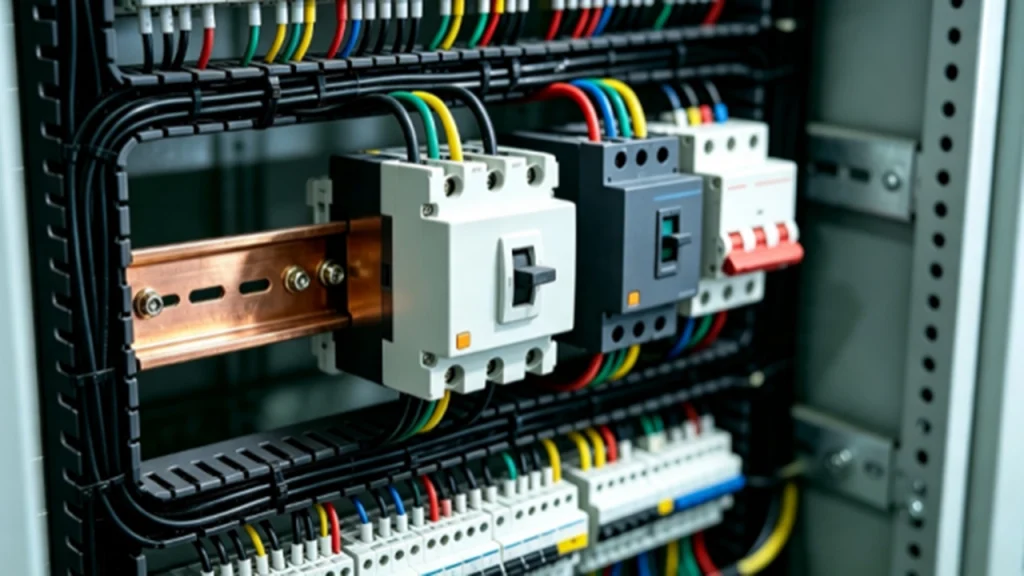
Busbar System: The Backbone of LV Switchgear
The busbar system is one of the most important components inside a low-voltage switchgear panel. It serves as the main electrical conductor responsible for transferring and distributing power from the incoming power source to different outgoing circuits.
A well-designed busbar system directly affects the overall performance and reliability of an LV switchgear panel. Key factors such as current-carrying capacity, temperature rise, electrical safety, and long-term operating stability are closely related to the material selection and structural design of the busbar system.
By using suitable materials, reliable insulation methods, and standardized connection methods, a properly designed busbar system can ensure safe and efficient power distribution throughout the switchgear assembly.
Copper vs Aluminum Busbar
Copper and aluminum are the two most commonly used materials for busbars in low-voltage switchgear systems. The choice between them depends on project requirements, expected electrical performance, installation conditions, and budget considerations.
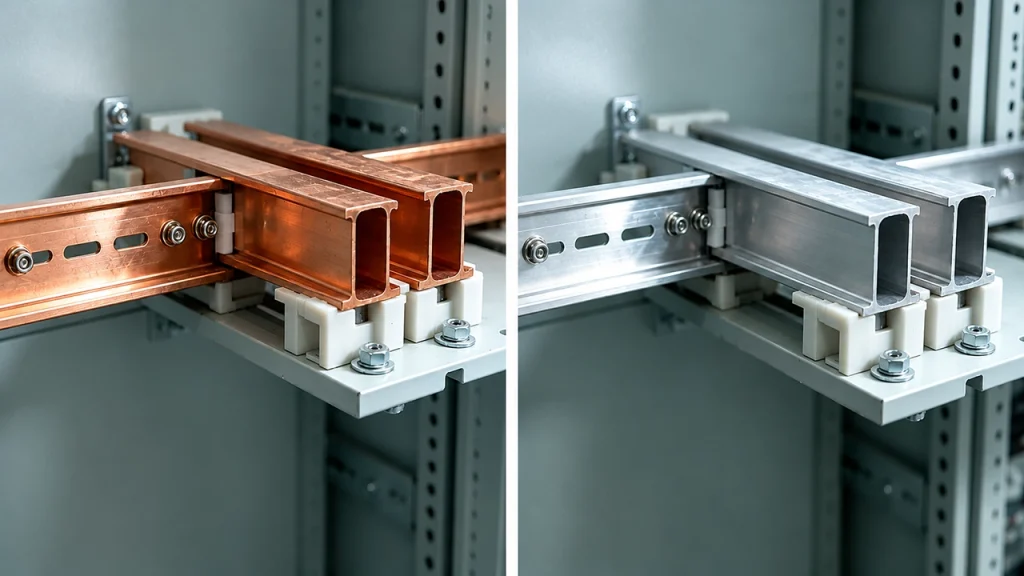
| Comparison Item | Copper Busbar | Aluminum Busbar |
| Conductivity | Higher conductivity | Lower conductivity compared with copper |
| Thermal Performance | Better heat dissipation | Requires a larger cross-section for similar current-carrying capacity |
| Weight | Heavier | Lighter |
| Cost | Higher material cost | More cost-effective |
| Typical Applications | Industrial plants, data centers, and critical power systems | Cost-sensitive projects and applications requiring reduced weight |
When selecting a busbar material, buyers should consider current requirements, installation conditions, project budget, and long-term operating performance.
Circuit Breaker: The Main Protection Device
A circuit breaker is one of the key protection components inside a low-voltage switchgear panel. Its main function is to automatically disconnect the electrical circuit when abnormal conditions occur, helping protect equipment and improve overall system safety.
Typical fault conditions include short circuits, overloads, and overcurrent. By interrupting fault currents quickly and safely, circuit breakers help prevent electrical equipment damage and maintain reliable operation of the power distribution system.
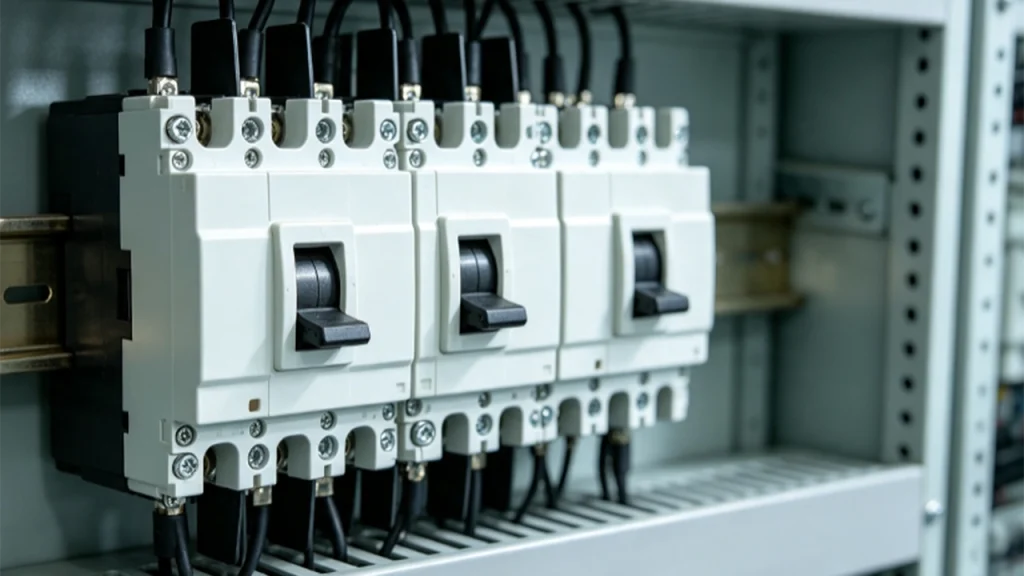
Common Types of Circuit Breakers
ACB (Air Circuit Breaker)
Air Circuit Breakers are mainly used for high-current applications and are commonly installed in the main incoming circuits of LV switchgear panels. They provide protection for large power distribution systems such as industrial facilities and infrastructure projects.
MCCB (Molded Case Circuit Breaker)
Molded Case Circuit Breakers are widely used in power distribution circuits and industrial applications. They are commonly applied for feeder protection, motor protection, and outgoing circuit protection in low-voltage switchgear systems.
MCB (Miniature Circuit Breaker)
Miniature Circuit Breakers are designed for smaller electrical circuits. They are commonly used for lighting circuits, control circuits, and other low-power electrical equipment.
Circuit Breaker vs Contactor
Although circuit breakers and contactors can both switch electrical circuits, their main functions are different.
| Comparison Item | Circuit Breaker | Contactor |
| Main Function | Fault protection | Circuit control |
| Operation | Interrupts the circuit under fault conditions | Performs frequent switching during normal operation |
| Typical Application | Power distribution protection | Motor and load start/stop control |
In a low-voltage electrical system, circuit breakers are primarily responsible for protection, while contactors are mainly responsible for operational control.
Current Transformer (CT): Measurement and Protection
A Current Transformer (CT) is an important electrical component used in low-voltage switchgear systems for current measurement and protection.
It converts high electrical currents into lower standardized current signals, allowing meters and protection devices to safely monitor and analyze the electrical system.For example, a CT can convert a primary current of 1000 A into a secondary current of 5 A. This standardized signal can then be used by protection relays and multifunction power meters for accurate measurement and fault detection.
Main Functions of Current Transformers
Current transformers provide two main functions in low-voltage switchgear systems: measurement and protection.
Measurement
CTs provide accurate current signals to power meters and energy monitoring systems. By converting high current into standardized low-current signals, they allow operators to monitor electrical parameters safely and efficiently.
Protection Coordination
In protection applications, current transformers work together with protection relays and circuit breakers to detect and isolate electrical faults.
When abnormal current occurs, the CT detects the change in current and sends a signal to the protection relay. The relay then analyzes the fault condition and sends a trip command to the circuit breaker. The circuit breaker disconnects the affected circuit to protect the electrical system.
This coordinated operation between CTs, protection relays, and circuit breakers helps improve system safety, reliability, and fault response speed.
Protection Relays and Monitoring Devices: The Brain of Smart Switchgear
Protection relays are intelligent monitoring devices that continuously monitor electrical operating conditions inside an LV switchgear system and provide protection signals when abnormal conditions occur.
They can detect various electrical faults, including overcurrent, earth faults, phase loss, and voltage abnormalities, helping provide fast and reliable protection for electrical equipment.Modern low-voltage switchgear systems can also be equipped with multifunction power meters and intelligent monitoring devices to measure and analyze key electrical parameters such as voltage, current, power, and energy consumption.
The collected operating data can assist with fault diagnosis, simplify maintenance procedures, and improve the overall reliability of the power distribution system.
Surge Protective Device (SPD): Protection Against Lightning and Transient Overvoltage
A Surge Protective Device (SPD) is an important protection component in low-voltage switchgear systems. It is designed to protect electrical equipment from transient overvoltage caused by lightning strikes, switching operations, and power system disturbances.
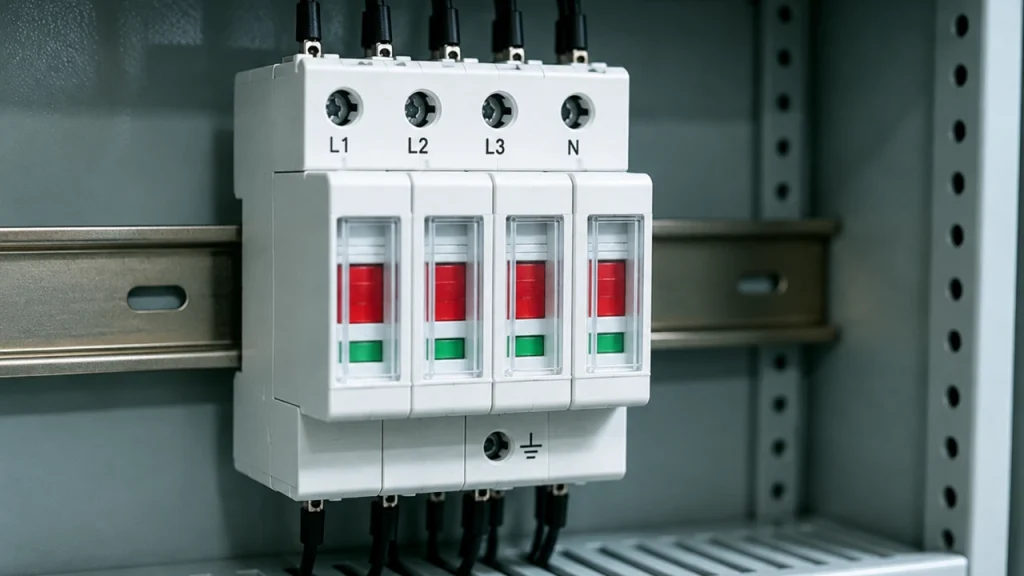
Transient overvoltage can damage sensitive electrical components such as protection relays, digital meters, PLC systems, and secondary control components.
By limiting excessive transient voltage and safely diverting surge energy to the grounding system, an SPD can help extend equipment service life and improve operating reliability. According to different protection requirements, surge protective devices are generally divided into three types:
Type 1 SPD
Type 1 SPDs are mainly installed at the main power entrance of a building and are designed to provide protection against high-energy surges caused by direct lightning strikes.
Type 2 SPD
Type 2 SPDs are commonly installed in distribution panels and low-voltage switchgear systems. They protect downstream electrical equipment against switching overvoltage and indirect lightning effects.
Type 3 SPD
Type 3 SPDs are designed for local protection of sensitive terminal equipment and are typically installed close to the electrical devices being protected.
The appropriate SPD type should be selected according to the installation environment, required protection level, and sensitivity of the connected electrical equipment.
Contactors and Control Components Contactors
Contactors are electrical switching devices designed for frequent operation and load control in low-voltage switchgear systems. They are commonly used in applications requiring repeated switching operations, such as controlling motors, pumps, fans, and other industrial equipment.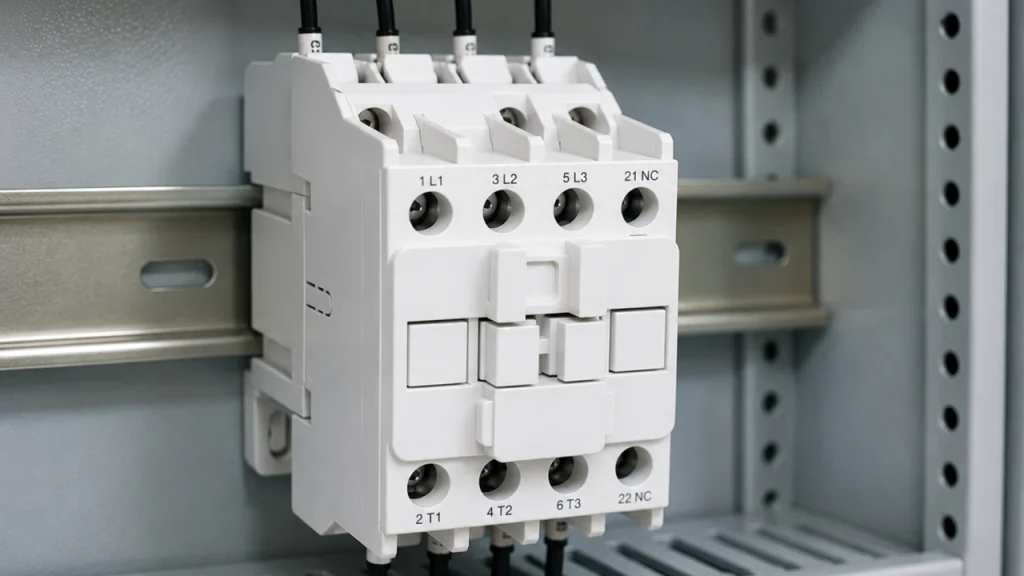
Unlike circuit breakers, which are primarily responsible for protecting electrical circuits against faults such as overloads and short circuits, contactors are mainly used for operational control.Operators or automatic control systems can use contactors to start, stop, and manage electrical loads efficiently during normal operation.
In a complete LV switchgear system, circuit breakers and contactors work together to provide both electrical protection and reliable equipment control.
How to Choose the Right Low-Voltage Switchgear
Selecting the right low-voltage switchgear requires careful consideration of project requirements, operating conditions, and system reliability.
A suitable switchgear solution should not only meet current electrical load requirements but also provide safe and stable performance throughout its service life.
1. Consider the Application Requirements
The first step is to identify the specific application of the switchgear system.
Different applications may require different cabinet designs, component configurations, and protection levels.
Low-voltage switchgear is widely used in:
- Industrial facilities
- Commercial buildings
- Data centers
- Renewable energy power projects
Each application has different requirements for power distribution capacity, protection functions, and operating conditions.
2. Match the Rated Voltage and Current Requirements
The switchgear should always be selected according to the electrical requirements of the project.
Important parameters include:
- Rated voltage
- Rated current
- Overall load capacity
Selecting the correct electrical ratings helps ensure safe long-term operation and reduces the risk of overheating, overload, and premature equipment aging.
3. Evaluate Protection Requirements
Protection performance is one of the most important factors when selecting LV switchgear.
Buyers should evaluate the required protection functions, including:
- Short-circuit protection
- Surge protection
- Enclosure environmental protection level
The selected switchgear should be capable of protecting electrical equipment against electrical faults, voltage disturbances, and challenging installation environments.
4. Choose a Reliable Manufacturer
The quality of low-voltage switchgear depends on both cabinet design and the manufacturer’s production capability.
A professional supplier should be able to provide:
- High-quality electrical components
- Engineering and technical support
- Comprehensive factory testing
- Complete technical documentation
Working with an experienced manufacturer can help improve system safety, extend equipment service life, and ensure reliable power distribution.
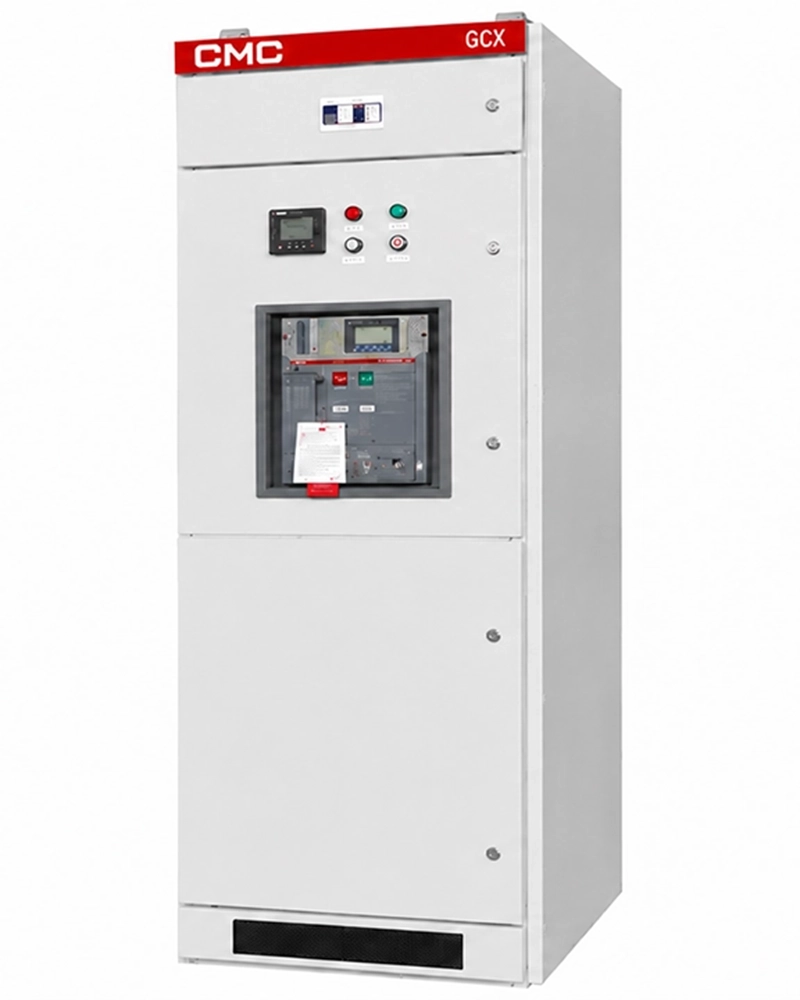
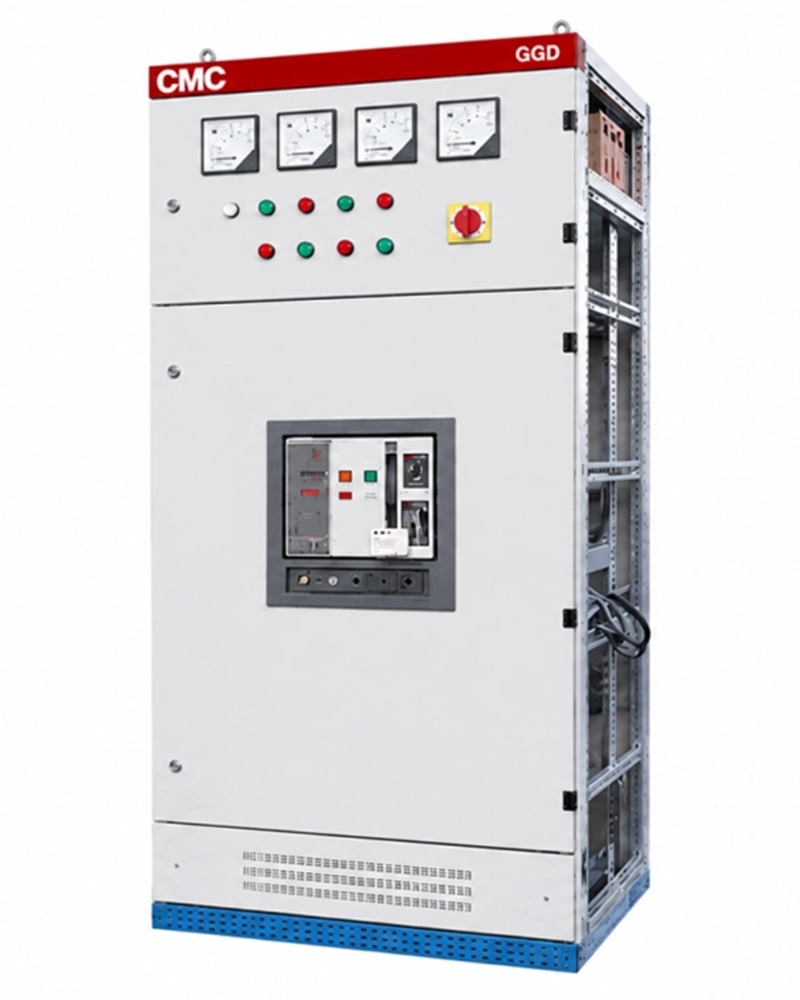
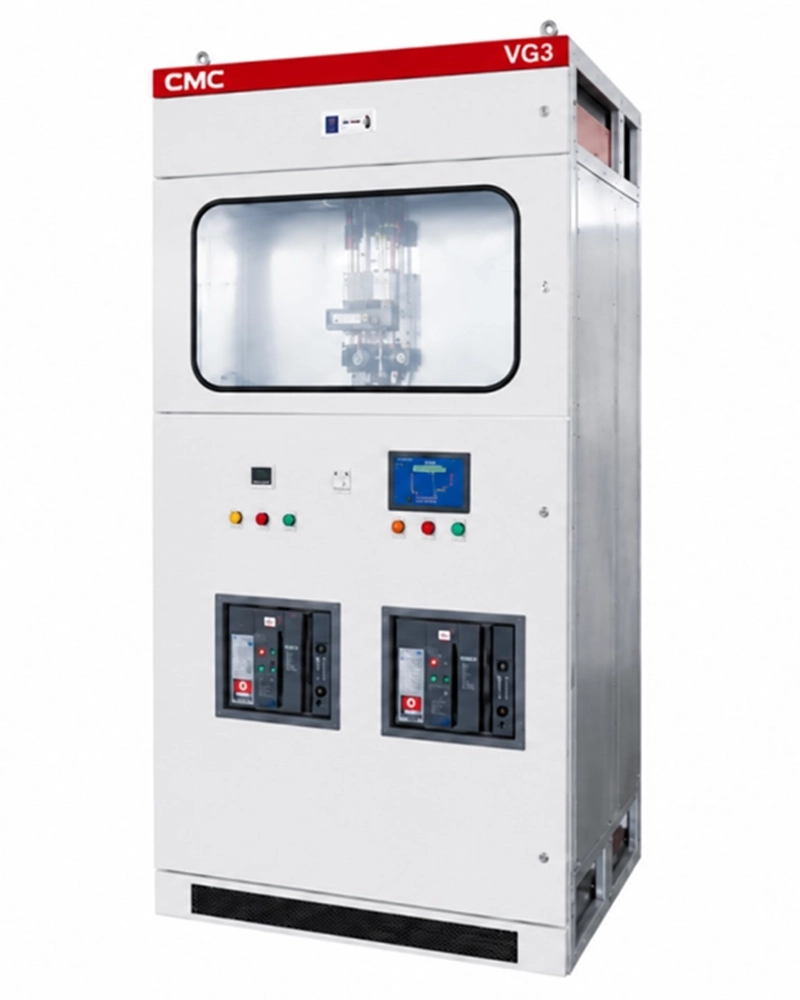
Conclusion
A low-voltage switchgear panel is an integrated electrical system in which multiple components work together to provide safe and reliable power distribution.
Key components such as busbars, circuit breakers, current transformers, protection relays, surge protective devices, contactors, and secondary control components all play important roles in system performance and operational safety.
Understanding the functions and selection considerations of these components can help buyers choose a more suitable low-voltage switchgear solution for their projects.
By working with an experienced low-voltage switchgear manufacturer, customers can benefit from safer operation, improved system reliability, and efficient power distribution solutions tailored to their project requirements.